- (539) 233-0353
- info@t-townpristineclean.com
- 1726 S Yorktown Ave, Tulsa, OK 74104

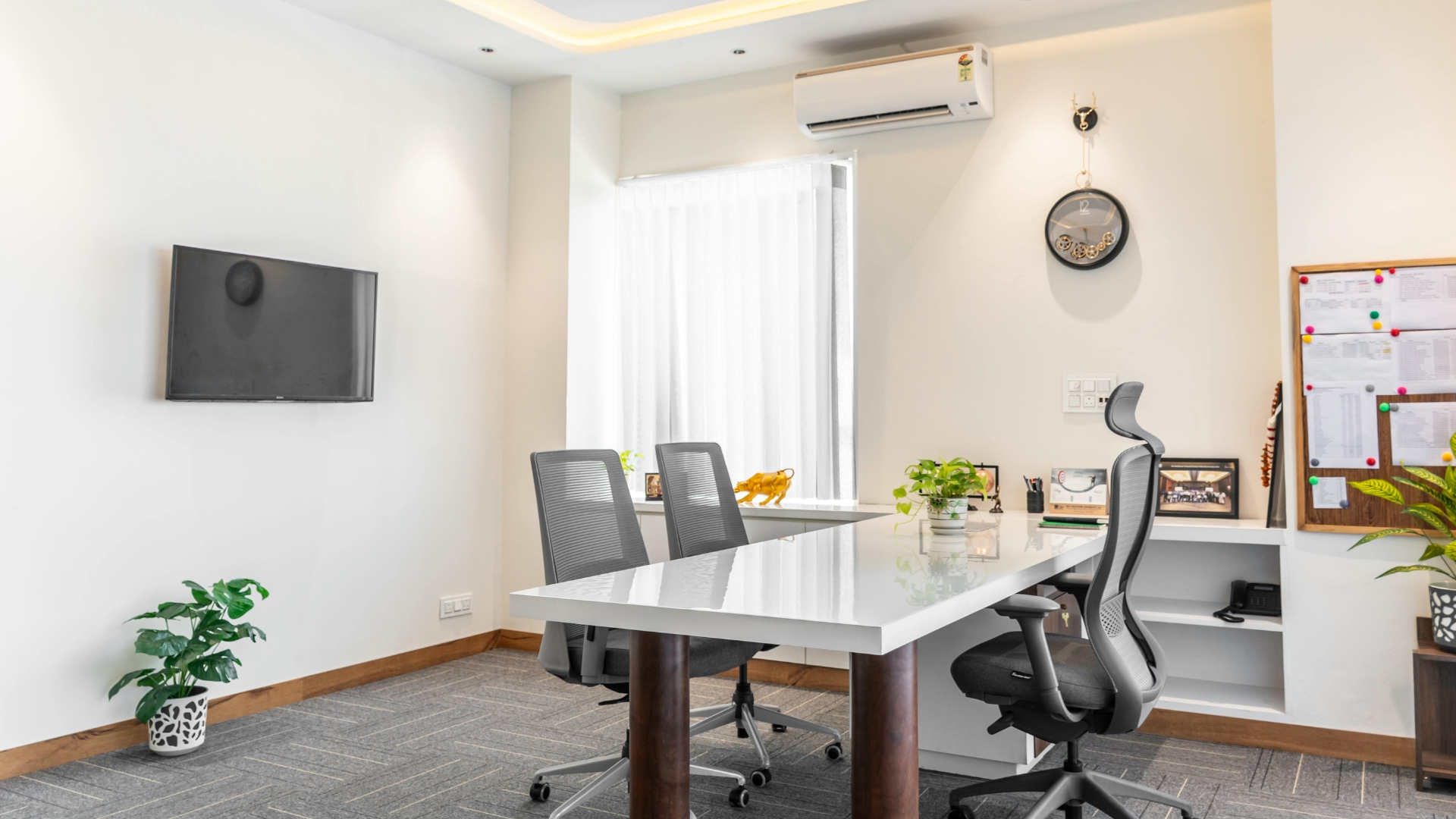
Your Gilcrease Hills office makes judgments about your business before you say a single word. Within the first seven seconds of entering your facility, clients and prospects form impressions about your competence, success, attention to detail, and trustworthiness—impressions that profoundly influence whether they choose to do business with you, how much they’re willing to pay, and whether they refer others to your services. These snap judgments aren’t superficial or unfair—they’re deeply rooted in human psychology and surprisingly accurate predictors of actual business quality. The physical environment you create communicates volumes about who you are, how you operate, and what clients can expect from working with you.
The challenge for Gilcrease Hills business owners and professionals is that you’ve likely stopped seeing your office the way clients do. Familiarity blinds you to the dust accumulating on surfaces, the scuffed baseboards, the grimy restroom fixtures, or the general wear that happens gradually over months and years. What feels “good enough” to you registers as “not quite professional” to clients whose only impression of your business comes from those critical first moments in your space. Meanwhile, your competitors understand this dynamic and leverage immaculate offices as competitive weapons that help them win business you should be closing, charge premium rates you deserve, and build reputations that generate the referrals driving sustained growth.
This comprehensive guide explores the fascinating psychology of how office cleanliness affects client perceptions, quantifies the business impact of facilities that impress versus disappoint, identifies the specific elements clients notice and judge most critically, and explains why professional commercial cleaning represents strategic investment in client acquisition and retention rather than operational expense to minimize. Whether you operate a law firm, consulting practice, financial advisory, medical office, or any other client-facing business in Gilcrease Hills, understanding how your office environment affects your success enables decisions that transform your facility from neutral background into competitive advantage.
Understanding the psychology behind first impressions clarifies why office cleanliness affects business outcomes so profoundly.
The Seven-Second Reality:
Neuroscience Research:
Studies consistently demonstrate:
What This Means:
Before meaningful conversation begins:
The Halo Effect:
Psychological Phenomenon:
Cleanliness creates “halo effect”:
Research Support:
Studies in organizational psychology show:
The Primacy Effect:
First Information Dominance:
In psychology, primacy effect means:
Applied to Business:
Your office is often:
The Cognitive Shortcut:
Why Environments Matter:
Clients use environmental cues as:
Logical (If Unconscious) Reasoning:
Client thinking:
The Competitive Comparison:
Relative Assessment:
Clients often:
In Competitive Gilcrease Hills Market:
When your office is:
The Reversibility Challenge:
Overcoming Negative Impressions:
Research shows:
Prevention vs. Recovery:
Maintaining consistently clean office:
Understanding what clients observe helps you prioritize and address critical impression-forming elements.
The Entrance Experience:
Exterior First Contact:
Before entering:
Gilcrease Hills Context:
Professional area means:
Interior Entry:
Upon entering:
Reception Area Scrutiny:
What Gets Judged:
Visual Elements:
Subtle Details:
The Restroom Factor:
Critical Assessment Point:
Restroom condition disproportionately affects impression:
Client Psychology:
Research Findings:
Studies show:
What Clients Inspect:
Conference Room Assessment:
Meeting Space Judgment:
During client meetings:
Impact on Meetings:
Clean conference rooms:
Dirty or unkempt spaces:
The Office Environment:
Visible Workspace Areas:
If clients see office areas:
Open Concept Considerations:
Modern open offices mean:
The Sensory Experience:
Beyond Visual:
Clients notice:
Smell:
Touch:
Sound:
The Cumulative Effect:
Holistic Assessment:
Clients form impressions from:
Inconsistency Problems:
When some areas are immaculate but others neglected:
Consistency communicates authenticity and thoroughness.
The connection between facility condition and perceived professional capability is powerful and measurable.
The Success Signal:
Visual Success Indicators:
Clean, well-maintained offices signal:
Client Psychology:
Prospective clients think:
The Competence Connection:
Environmental Cues About Ability:
Office condition suggests:
Attention to Detail:
Organizational Capability:
The Trustworthiness Equation:
Building Client Confidence:
Professional cleanliness creates:
Research Support:
Business studies demonstrate:
The Premium Pricing Justification:
Value Perception:
Clean, Professional Offices Support:
Pricing Psychology:
Clients more willing to pay premium rates when:
Dirty or Unkempt Offices:
The Referral Generation:
Word-of-Mouth Impact:
Impressive offices:
Client Testimonial: “I was blown away by their office—you know they’re the real deal.”
The Competitive Differentiation:
Standing Out in Professional Services:
When:
Physical environment becomes primary differentiator.
Gilcrease Hills Professional Context:
In area with multiple professional services:
The Confirmation Bias Effect:
Reinforcing Initial Impressions:
Once positive impression forms:
Once negative impression forms:
Better to start with positive environmental impression.
Different professional services face unique implications from office cleanliness.
Law Firms and Legal Services:
Heightened Importance:
Clients choosing attorneys:
Office Environment Impact:
Clean, professional law offices communicate:
Areas of Focus:
Financial Services and Advisory:
Trust as Foundation:
Financial clients:
Office Significance:
Clean, well-maintained offices suggest:
Dirty or disorganized offices raise questions:
Medical and Healthcare Offices:
Sanitation Expectations:
Healthcare clients expect:
Non-Negotiable Standards:
Medical office cleanliness:
Even perception of inadequate cleaning:
Consulting and Professional Services:
Competence Communication:
Consultants selling:
Office as Proof Point:
Well-maintained consulting offices:
Client Logic: “If they can optimize their own office environment, they can optimize my business.”
Real Estate and Property Services:
Ironic Importance:
Real estate professionals selling properties:
Office Condition:
Architecture and Design Services:
Visual Standards:
Design professionals:
Office as Portfolio:
Your office becomes:
Understanding financial implications helps business decision-making about office cleanliness.
Lost Business from Poor Impressions:
The Invisible Loss:
When clients visit and leave unimpressed:
Quantifying Impact:
Conservative Scenario:
Professional service business:
If poor office condition:
This far exceeds professional cleaning investment of $6,000-15,000 annually.
The Referral Multiplier:
Beyond Direct Loss:
Each lost client also represents:
True Cost Multiplier:
Single lost client can represent:
The Competitive Disadvantage:
Market Position Impact:
Inferior facility condition:
Over time:
The Professional Cleaning Investment:
Typical Costs:
Small Professional Office (Under 2,000 sq ft):
Medium Office (2,000-4,000 sq ft):
Large Office (4,000+ sq ft):
ROI Calculation:
Medium Gilcrease Hills Professional Office:
Professional cleaning investment: $12,000 annually
Value delivered:
Net positive return: $208,000 (1,733% ROI)
Even using extremely conservative estimates, professional cleaning delivers substantial positive returns through improved client acquisition alone.
The Insurance Policy Perspective:
Risk Mitigation:
Professional cleaning:
Like business insurance:
The Opportunity Cost:
Management Bandwidth:
Without professional cleaning:
Value of freed attention:
Worth far more than cleaning investment.
Strategic approaches to office cleanliness maximize client impression and business impact.
The Consistency Principle:
Always-Ready Standard:
Professional offices maintain:
Why This Matters:
Professional Service Advantage:
The Strategic Investment Mindset:
From Expense to Investment:
Viewing professional cleaning as:
Rather than:
Changes decision-making and prioritization.
The Reception Area Priority:
First Impression Optimization:
Invest most heavily in:
These areas disproportionately affect client impressions and business outcomes.
The Sensory Experience Design:
Beyond Visual:
Create comprehensive positive experience:
Smell:
Sound:
Touch:
The Detail Obsession:
Small Things Matter:
Clients notice:
These details:
The Professional Partnership:
Choosing Right Service:
For client-facing businesses:
The Communication Strategy:
Subtle Messaging:
For some businesses:
Without being heavy-handed:
When Gilcrease Hills business owners and professionals honestly evaluate how office cleanliness affects client acquisition, retention, and business success—weighing lost opportunities from poor impressions against the investment in professional cleaning that positions facilities as competitive advantages rather than neutral backgrounds—the strategic value becomes compelling and clear.
Professional office cleaning designed specifically for client-facing businesses delivers the consistently pristine, detail-perfect environments that client psychology demands, competitive positioning requires, and sustained business success depends upon.
Our commercial cleaning services in Gilcrease Hills provide professionals with the immaculate, consistently maintained offices that impress clients, support premium positioning, and enable the positive first impressions that determine whether prospects become clients and clients become advocates.
What Makes Professional Office Cleaning Essential for Client-Facing Businesses:
Client Psychology Understanding: Knowledge of what clients notice, judge, and remember—ensuring every impression-forming element receives appropriate attention rather than hoping employees remember to dust baseboards.
Consistent Excellence: Systematic protocols delivering identical quality every service, ensuring your office impresses clients regardless of when they visit rather than varying based on who cleaned last.
Detail Obsession: Professional-level attention to the subtle elements—spotless glass, pristine fixtures, dust-free surfaces—that communicate competence and attention to detail to discerning professional clients.
Comprehensive Approach: Beyond visible surfaces to air quality, odor management, and sensory experience that creates cohesive positive impression affecting client comfort and confidence.
Strategic Scheduling: Service during off-hours when possible, ensuring pristine conditions for business hours while avoiding client disruption that could undermine professional image.
Professional Standards: Commercial-grade equipment, products, and expertise delivering results that employee or owner-handled cleaning cannot match, protecting your competitive positioning.
Reception and Restroom Priority: Understanding that certain areas disproportionately affect client impressions, ensuring these critical zones receive intensive attention warranted by their business impact.
Reliability and Accountability: Guaranteed consistent performance through contractual obligations, service standards, and professional reputation—not hoping staff finds time between other responsibilities.
Asset Protection: Proper care that extends furniture, fixture, and finish lifespan while maintaining appearance that supports your professional image and market positioning.
Our comprehensive commercial cleaning throughout Tulsa demonstrates why client-facing professionals increasingly recognize that office cleaning isn’t operational expense—it’s strategic investment in client acquisition, retention, and business growth with measurable positive returns.
Your Gilcrease Hills office communicates constantly about your business—before conversations begin, during client deliberations, and in the memories and recommendations that follow meetings. The environment you create either supports your professional positioning, justifies your pricing, builds client confidence, and generates referrals, or it undermines these business objectives through subtle signals of inattention, struggle, or mediocrity that clients unconsciously process but consciously act upon by choosing competitors whose facilities match the quality they seek.
The question isn’t whether office cleanliness affects client impressions and business outcomes—psychology research and business results clearly demonstrate it does profoundly. The real question is whether you’ll continue accepting the invisible but substantial costs of facilities that fail to impress or actively disappoint, or invest in professional cleaning that transforms your office from neutral background into competitive weapon that helps you win business, justify premium pricing, and generate the referrals driving sustained success.
Professional office cleaning for client-facing businesses isn’t about aesthetics or perfectionism—it’s about recognizing that your facility is silent salesperson working 24/7 to either enhance or undermine your business development efforts. When that salesperson works against you through poor impressions, the cost in lost opportunities dramatically exceeds the investment in professional services that ensure your office works for you instead.
The connection between office cleanliness and client impressions isn’t superficial or arbitrary—it’s deeply rooted in human psychology, consistently demonstrated in research, and measurably impactful on business outcomes through client acquisition rates, pricing power, referral generation, and competitive positioning. Your Gilcrease Hills office doesn’t just host client meetings—it communicates powerful messages about competence, success, attention to detail, and trustworthiness that profoundly influence whether prospects become clients and clients become advocates.
Professional commercial cleaning services designed for client-facing businesses deliver the consistently immaculate, detail-perfect environments that client psychology demands and business success requires—typically at investment levels far below the value they create through improved client capture, enhanced pricing power, and referral generation. This isn’t operational expense to minimize—it’s strategic investment in business development that pays for itself many times over through the competitive advantages pristine professional environments create.
Your Gilcrease Hills business deserves facilities that impress clients, support your professional positioning, and enhance rather than undermine your business development efforts. Don’t let inadequate office cleanliness cost you opportunities, force price competition, or prevent the success your expertise deserves.
Ready to transform your Gilcrease Hills office into competitive advantage that impresses clients and supports business growth? Explore our specialized commercial cleaning services for Gilcrease Hills professionals and discover how professional office cleaning creates the consistently pristine environments that win business, justify premium pricing, and generate the referrals driving sustained professional success.
T-Town Pristine Clean is providing professional cleaning services in Tulsa, OK, and surrounding areas. Reliable, affordable, and satisfaction guaranteed.