- (539) 233-0353
- info@t-townpristineclean.com
- 1726 S Yorktown Ave, Tulsa, OK 74104

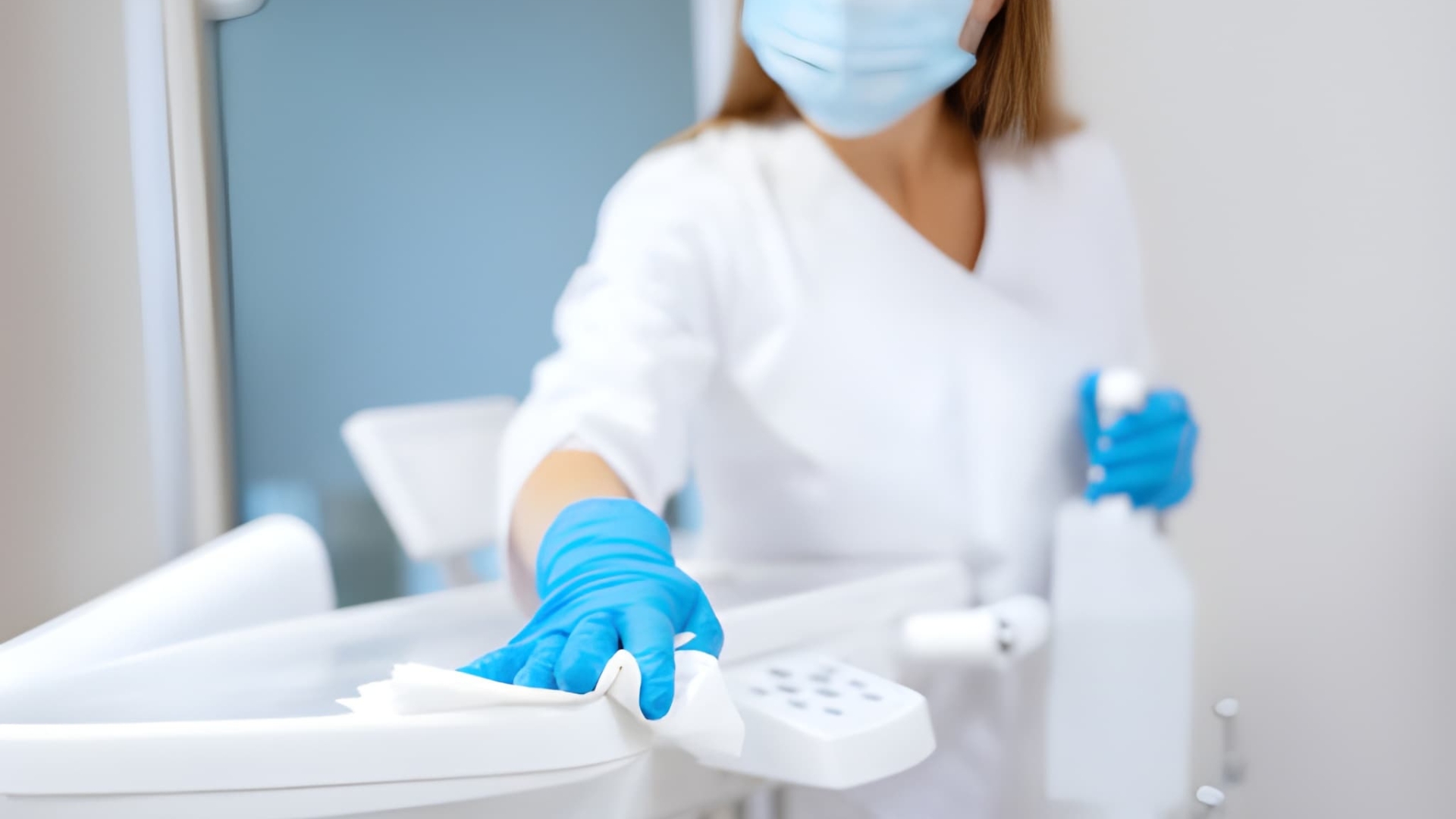
Eastland medical offices, clinics, and healthcare practices operate in environments where cleanliness isn’t simply about appearances or comfort—it’s fundamental to patient safety, regulatory compliance, liability protection, and the therapeutic trust that enables effective healthcare delivery. Your patients arrive in vulnerable health states, often with compromised immune systems, seeking healing in spaces where pathogens pose constant threats. The surfaces they touch, the air they breathe, and the facilities they use must meet standards far exceeding typical commercial spaces, because the consequences of inadequate sanitation in healthcare environments can be catastrophic: healthcare-associated infections (HAIs), disease transmission, regulatory violations, malpractice liability, and the irreparable reputational damage that destroys medical practices regardless of clinical excellence.
The harsh reality is that medical office cleaning failures create severe, immediate consequences that general commercial spaces never face. A single MRSA infection traced to your facility can trigger lawsuits, regulatory investigations, and media coverage that devastates your practice. OSHA inspections revealing inadequate sanitation result in substantial fines and mandated corrections. Patients who perceive inadequate cleanliness post negative reviews, file complaints with licensing boards, and choose competitors whose facilities inspire greater confidence. Yet many Eastland medical practices struggle with healthcare-specific cleaning demands—intensive sanitization requirements, regulatory compliance complexity, infection control protocols, specialized training needs, HIPAA privacy considerations, and the difficulty finding janitorial services that truly understand healthcare environment requirements rather than applying standard office cleaning approaches to medical settings.
This comprehensive guide addresses medical office cleaning specifically for Eastland healthcare providers, explaining why medical environments require fundamentally different cleaning approaches than general commercial spaces, what comprehensive healthcare facility sanitation entails, how professional medical cleaning services protect patients and practices, what regulatory standards demand, and why strategic investment in specialized healthcare cleaning services represents essential risk management and patient care quality commitment rather than discretionary operational expense.
Understanding the unique demands of healthcare environments clarifies why general commercial cleaning approaches are inadequate for medical practices.
Patient Vulnerability and Risk:
The Patient Population:
Medical offices serve:
Infection Consequences:
Healthcare-associated infections (HAIs):
Medical offices must prevent contributing to this public health crisis.
Pathogen Presence and Transmission:
The Contamination Reality:
Medical environments harbor:
Transmission Routes:
Pathogens spread through:
Effective cleaning must address all transmission pathways.
Regulatory Compliance Requirements:
OSHA Standards:
Occupational Safety and Health Administration mandates:
Violations result in:
CDC Guidelines:
Centers for Disease Control publishes:
While not legally binding, CDC guidelines:
State and Local Health Departments:
Additional requirements:
HIPAA Privacy Considerations:
Protected Health Information (PHI):
Medical cleaning staff:
Cleaning companies serving medical offices must:
Liability and Risk Management:
Malpractice Exposure:
Inadequate facility sanitation can:
Negligence Standards:
Medical practices owe:
Facility-acquired infections demonstrate breach potentially.
Professional Reputation Stakes:
Patient Trust Dependency:
Medical practices rely on:
Cleanliness signals:
Dirty or inadequately sanitized facilities destroy trust immediately and permanently.
Understanding complete healthcare facility cleaning scope clarifies why specialized professional services are essential.
Patient Care Areas:
Exam Rooms:
Between-Patient Cleaning:
Daily Deep Cleaning:
Weekly/Monthly Intensive Cleaning:
Treatment Rooms:
For procedures involving:
Enhanced Protocols Required:
Waiting Rooms:
High-Traffic, High-Risk Areas:
Multiple Daily Services:
Special Considerations:
Restrooms:
Critical Hygiene Areas:
Multiple Daily Services Required:
Throughout business hours:
End-of-Day Comprehensive Cleaning:
Medical-Grade Standards:
Laboratory and Specimen Areas:
Specialized Requirements:
If practice includes lab work:
Staff Areas:
Break Rooms and Offices:
While less critical than patient areas:
Daily Cleaning:
Reception and Administrative Areas:
First Impression and Function:
Daily Requirements:
Medical Records and HIPAA:
Specialized Medical Office Tasks:
Unique Healthcare Needs:
Medical Waste Management:
Equipment and Supply Areas:
Floor Care:
Healthcare Flooring Considerations:
Medical offices often have:
Requirements:
Understanding infection prevention principles guides proper medical office cleaning.
CDC Standard Precautions:
Universal Approach:
Assume all patients potentially infectious:
Cleaning’s Role:
Proper facility sanitation:
High-Touch Surface Prioritization:
Critical Contact Points:
Surfaces requiring frequent disinfection:
Evidence-Based:
Research shows:
Appropriate Disinfectant Selection:
Not All Products Equal:
Medical offices require:
Common Requirements:
Professional Cleaning Advantage:
Trained staff:
The Clean-Then-Disinfect Protocol:
Two-Step Process:
Step 1: Cleaning
Step 2: Disinfection
Many inadequate cleaning programs skip or shortcut this two-step approach.
Personal Protective Equipment (PPE):
Staff Safety and Contamination Prevention:
Proper medical office cleaning requires:
Professional services:
Environmental Monitoring:
Verification of Effectiveness:
Advanced programs include:
Quality Assurance:
Understanding and meeting regulatory requirements protects medical practices legally and professionally.
OSHA Bloodborne Pathogen Standard:
Key Requirements for Medical Offices:
Exposure Control Plan:
Cleaning companies serving medical facilities should:
Engineering and Work Practice Controls:
Housekeeping Requirements:
Training and Documentation:
Hazard Communication Standard:
Chemical Safety:
Medical cleaning involves:
Professional Cleaning Services:
State Medical Board Requirements:
Practice Standards:
State licensing boards expect:
Inspection and Complaints:
Professional Liability and Insurance:
Coverage Considerations:
Medical malpractice insurance:
Cleaning Service Insurance:
Professional medical cleaning requires:
Documentation and Recordkeeping:
Compliance Evidence:
Medical practices should maintain:
Legal Protection:
Documentation provides:
Professional services provide:
Beyond regulatory compliance, cleanliness profoundly affects patient confidence and practice success.
First Impressions and Confidence:
Healthcare Anxiety:
Patients visit medical offices:
Facility Condition Impact:
Clean, well-maintained facilities communicate:
Dirty or inadequate facilities suggest:
The Infection Control Signal:
Visible Sanitation:
Patients notice and judge:
Post-Pandemic Heightened Awareness:
COVID-19 permanently elevated expectations:
Online Reviews and Reputation:
Digital Word-of-Mouth:
Patients share experiences:
Cleanliness Frequently Mentioned:
Reviews commonly reference:
Impact on Practice Growth:
Negative cleanliness reviews:
Patient Retention:
Ongoing Relationship:
Established patients:
Facility Quality Matters:
Even excellent clinical care:
Professional Image:
Provider Credibility:
Physicians, nurses, practitioners judged by:
Facility as Proxy:
Patients use cleanliness to judge:
Competition in Eastland Medical Market:
Multiple Provider Options:
Patients choose between:
Cleanliness as Differentiator:
When clinical qualifications seem similar:
Understanding true costs helps medical practices make informed cleaning decisions.
Healthcare-Associated Infection Liability:
Malpractice Exposure:
If patient develops infection potentially facility-related:
Typical Costs:
Medical malpractice:
Regulatory Violations:
OSHA Penalties:
Bloodborne pathogen violations:
Example Scenario:
Practice with multiple violations:
Far exceeding professional cleaning investment.
Patient Loss and Revenue Impact:
Negative Reviews:
Single negative cleanliness review:
Word-of-Mouth Damage:
Dissatisfied patients:
Staff Safety and Morale:
Employee Exposure:
Medical staff face:
Recruitment and Retention:
Quality medical staff:
Turnover Costs:
Replacing medical staff:
If inadequate facility maintenance contributes to turnover, costs dramatically exceed professional cleaning.
Professional Cleaning Investment:
Typical Medical Office Costs:
Small Practice (Under 2,000 sq ft):
Medium Practice (2,000-5,000 sq ft):
Large Practice/Clinic (5,000-10,000+ sq ft):
ROI Analysis:
Medium Eastland medical practice:
Net benefit: $655,000-5,680,000+ (3,275-28,400% ROI)
Even using extremely conservative estimates, professional medical cleaning delivers extraordinary value through risk mitigation alone.
Understanding inadequacy of standard approaches clarifies need for specialized medical cleaning services.
Lack of Healthcare Expertise:
Training Deficiencies:
General cleaners typically:
Protocol Failures:
Without healthcare knowledge:
HIPAA Non-Compliance:
Privacy Risks:
General cleaners may:
Medical cleaning services:
Inadequate Chemical Knowledge:
Product Requirements:
Medical facilities need:
General cleaners often use:
Result: Appearance of cleaning without effective disinfection.
Insurance and Liability Gaps:
Coverage Inadequacy:
General commercial cleaning:
Medical cleaning requires:
Safety Violations:
OSHA Non-Compliance:
General cleaners may:
Practice Liability:
Medical offices are responsible for:
Inconsistent Quality:
Variable Standards:
Without healthcare specialization:
Medical cleaning requires:
When Eastland healthcare providers honestly evaluate medical office cleaning requirements—infection control imperatives, regulatory compliance mandates, patient safety obligations, liability exposures, and the specialized expertise healthcare environments demand—professional medical cleaning services designed specifically for healthcare facilities represent essential risk management and quality care commitment rather than discretionary expense.
Specialized medical office cleaning provides the healthcare-grade sanitation, regulatory compliance, infection control, and patient confidence that medical practices require while protecting providers from the substantial legal, financial, and reputational risks that inadequate facility maintenance creates.
Our commercial cleaning services in Eastland include specialized medical office cleaning that understands healthcare facility requirements and delivers the professional sanitization, regulatory compliance, and patient-centered care environment that Eastland medical practices demand.
What Makes Medical Office Cleaning Fundamentally Different:
Healthcare Expertise: Deep understanding of infection control principles, CDC guidelines, OSHA requirements, and healthcare-specific cleaning protocols that general commercial services lack.
Medical-Grade Disinfection: EPA-registered healthcare disinfectants with appropriate pathogen kill claims, proper application methods, documented contact times, and effectiveness verification.
HIPAA Compliance: Comprehensive privacy training, Business Associate Agreements, confidentiality protocols, and respect for protected health information that healthcare regulations mandate.
Regulatory Understanding: Knowledge of OSHA bloodborne pathogen standards, state licensing requirements, CDC guidelines, and documentation needed for compliance verification.
Two-Step Clean-Then-Disinfect: Proper cleaning removing organic material followed by appropriate disinfection with verified contact times—not just surface wiping that looks clean without actually killing pathogens.
High-Touch Surface Priority: Systematic focus on critical contact points where pathogen transmission occurs, with multiple daily services for waiting rooms, restrooms, and exam areas.
Professional Documentation: Detailed cleaning logs, product documentation, training records, and quality assurance reports supporting regulatory compliance and liability protection.
Infection Control Integration: Cleaning protocols that support overall practice infection control programs, reduce HAI risk, and protect vulnerable patient populations.
Staff Safety Protection: Bloodborne pathogen training, proper PPE provision, safe chemical handling, and OSHA-compliant protocols protecting both cleaning staff and medical personnel.
Patient Confidence Support: Consistently pristine, professionally sanitized facilities that reassure anxious patients, support provider reputations, and distinguish practices competitively.
Our comprehensive commercial cleaning throughout Tulsa demonstrates why Eastland medical offices increasingly recognize that healthcare facility cleaning requires specialized expertise, medical-grade protocols, and regulatory compliance knowledge that only professional medical cleaning services can reliably deliver.
Your Eastland medical practice exists to provide quality healthcare, protect patient wellbeing, and maintain professional standards that justify patient trust and referrals. Facility cleanliness and sanitation aren’t peripheral concerns—they’re fundamental to infection control, regulatory compliance, patient safety, and the professional reputation your practice depends upon. The risks of inadequate medical facility cleaning—healthcare-associated infections, regulatory violations, malpractice liability, patient loss, and reputation damage—create potential costs orders of magnitude greater than professional medical cleaning investment.
The question isn’t whether professional medical cleaning adds value—the risk mitigation, regulatory compliance, patient confidence, and infection prevention clearly demonstrate essential returns. The real question is whether you’ll continue accepting the substantial risks and hidden costs of inadequate cleaning approaches, or invest in specialized healthcare facility cleaning that protects patients, satisfies regulators, supports your reputation, and enables focus on clinical excellence rather than facility management concerns.
Professional medical office cleaning for healthcare providers isn’t operational expense—it’s essential risk management, quality care commitment, and professional responsibility fulfillment that protects everything you’ve worked to build.
Medical office cleaning in Eastland differs fundamentally from standard commercial cleaning because healthcare environments pose unique infection risks, face rigorous regulatory requirements, serve vulnerable populations, and maintain professional reputations dependent on patient confidence in safety and quality. Inadequate medical facility sanitation creates consequences extending far beyond aesthetics—from healthcare-associated infections causing patient harm, to regulatory violations generating substantial penalties, to liability exposures threatening practice viability, to reputation damage that destroys businesses regardless of clinical excellence.
Professional medical office cleaning services designed specifically for healthcare facilities deliver the specialized expertise, medical-grade protocols, regulatory compliance, and consistent quality that patient safety demands and practice protection requires—typically at investment levels dramatically lower than the potential costs of inadequate cleaning. This isn’t expense to minimize—it’s essential infrastructure supporting quality healthcare delivery, patient trust, regulatory compliance, and sustained practice success.
Your Eastland medical practice deserves cleaning services that understand healthcare requirements, protect patient safety, ensure regulatory compliance, and support the professional reputation your clinical excellence merits. Don’t let inadequate facility sanitation undermine everything you do right in patient care.
Ready to protect your Eastland medical practice with specialized healthcare facility cleaning that satisfies regulators, protects patients, and supports your professional reputation? Explore our commercial cleaning services for Eastland medical offices and discover how professional medical cleaning transforms facility sanitation from compliance burden into patient safety commitment and competitive advantage supporting sustained practice success.
T-Town Pristine Clean is providing professional cleaning services in Tulsa, OK, and surrounding areas. Reliable, affordable, and satisfaction guaranteed.